

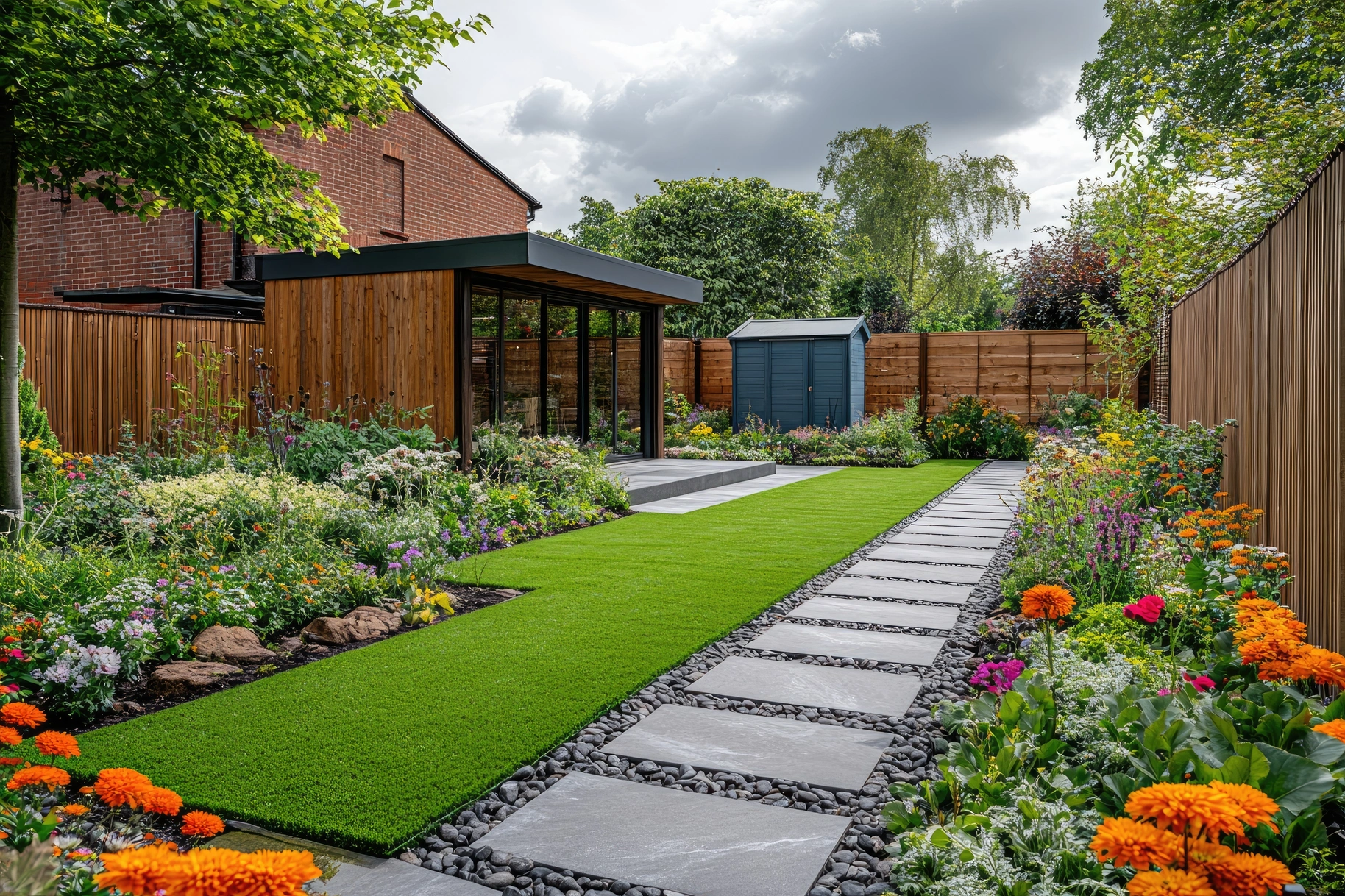
How Much Does Garden Landscaping Cost in 2026?
If you're thinking about transforming your garden, one of the first questions you're likely to ask is: how much does garden landscaping cost?
The answer can vary considerably. A relatively simple project involving new turf and planting will naturally cost far less than a complete garden transformation incorporating a new patio, fencing, raised beds, drainage and extensive groundwork.
In this guide, we look at some of the main factors that determine landscaping costs and what homeowners should consider when budgeting for a garden project.
How Much Does Garden Landscaping Cost in the UK?
There isn't a single price that can be applied to every landscaping project. Smaller improvements can cost from several hundred pounds, while complete garden transformations can run into several thousand pounds depending on the size and complexity of the work.
As a rough indication, current UK industry cost guides suggest:
- Turfing: approximately £12–£30 per m²
- Artificial grass: approximately £25–£60 per m² installed
- Garden levelling: approximately £20–£120 per m²
- Decking: approximately £50–£120 per m²
- Paving: approximately £65–£80+ per m²
These figures should only be treated as general estimates. Labour and material prices can vary, and properties in Essex and the wider South East may differ from national averages.
The best way to establish an accurate budget is to have your garden assessed and obtain a quotation based on the work you actually require.
What Affects the Cost of Landscaping a Garden?
Several factors can have a significant impact on the final price.
Size of the Garden
Unsurprisingly, larger gardens generally require more materials and labour. However, size isn't everything. A relatively small garden requiring substantial excavation and groundwork can sometimes be more involved than landscaping a much larger, straightforward plot.
Access to the Property
Garden access is easily overlooked when planning a project.
If machinery and materials can be brought directly into the garden, work may be considerably easier. Restricted access through a house, narrow side passages or neighbouring properties can increase the amount of manual labour required.
Ground Conditions
Before the attractive parts of a new garden can be installed, the ground underneath needs to be right.
Uneven levels, poor drainage, heavy clay soil and existing concrete can all require additional groundwork. Getting this stage right is particularly important for patios, driveways and other hard-landscaped areas.
Choice of Materials
The materials you choose can dramatically alter your overall landscaping budget.
There can be considerable differences between standard concrete paving, Indian sandstone, porcelain and premium natural stone, for example.
A good landscaper can help you choose materials that achieve the appearance you want while remaining realistic for your budget.
How Much Does a New Patio Cost?
Patios are one of the most popular features incorporated into garden landscaping projects.
The cost will depend on the size of the patio, paving material, excavation required and the condition of the existing ground.
Porcelain and premium natural stone will generally cost more than standard paving, while features such as steps, edging, retaining walls and intricate laying patterns can also increase the overall cost.
One area where it's rarely worth cutting corners is the preparation underneath your paving. A properly excavated and prepared sub-base helps prevent movement, sinking and cracking later.
Can I Landscape My Garden on a Smaller Budget?
Absolutely. A garden doesn't necessarily need to be completely redesigned in one project.
If you're working with a limited budget, prioritising the areas that will make the biggest difference can be a sensible approach.
This might include creating a new patio while retaining an existing lawn, replacing tired fencing, improving planting areas or completing essential groundwork first.
A well-planned garden can also be developed in stages, allowing further features to be added in the future.
Is Professional Landscaping Worth the Cost?
Professional landscaping can completely change how you use your property.
As well as improving the appearance of your garden, a carefully planned landscaping project can create more usable space, improve drainage, reduce maintenance and provide dedicated areas for relaxing, dining and entertaining.
The quality of the installation is particularly important with hard landscaping. Patios, paths, retaining walls and other structures need suitable foundations and drainage if they're going to perform properly for years to come.
Planning a Landscaping Project?
At Blueberry Landscapes, we provide professional landscaping and groundwork services for homeowners across Essex, Hertfordshire and Cambridgeshire.
From patios, fencing and planting through to complete garden transformations, our team can manage every stage of your project.
If you're considering landscaping your garden and would like to understand what's possible within your budget, contact Blueberry Landscapes to arrange a quotation.

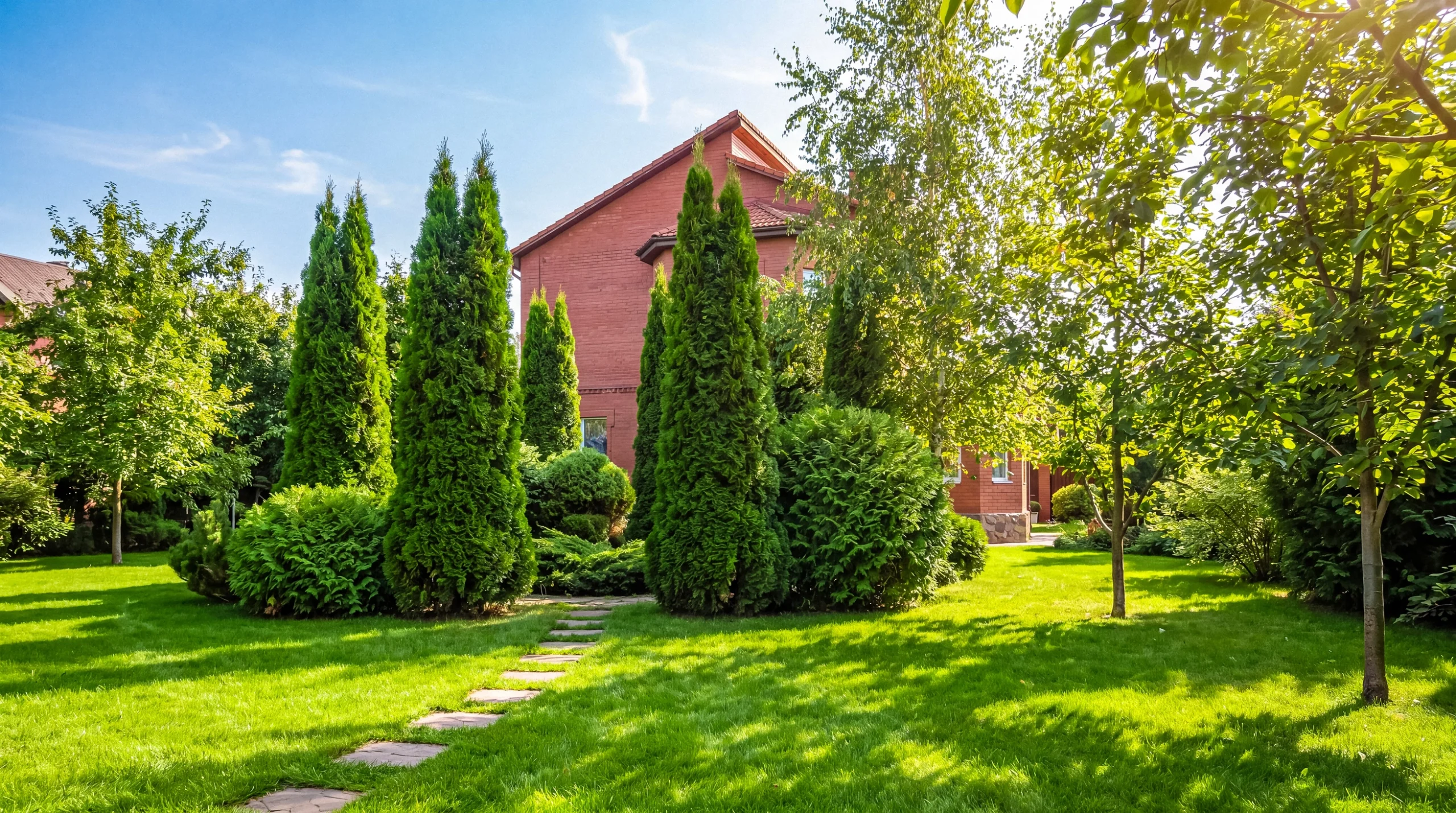
5 Signs Your Garden Needs Professional Landscaping This Summer
Your outdoor space should be somewhere you enjoy spending time — whether that’s relaxing with family, entertaining guests, or simply improving the appearance and value of your property. However, many gardens gradually become difficult to manage, outdated, or impractical over time.
Here are five common signs that it may be time to consider professional landscaping work.
1. Poor Drainage or Waterlogging
If parts of your garden regularly become muddy, flooded, or difficult to use after rainfall, this could indicate drainage issues beneath the surface. Poor drainage can damage lawns, patios, and planting areas over time while making the garden far less enjoyable.
Professional landscaping and groundwork can help resolve drainage problems properly, improving both usability and long-term maintenance.
2. Uneven or Wasted Space
Sloped gardens, uneven surfaces, or awkward layouts can make outdoor spaces difficult to use effectively. A well-designed landscaping project can transform unused areas into functional spaces for seating, planting, entertaining, or family use.
Features such as retaining walls, raised beds, pathways, and patios can completely reshape how your garden works.
3. High-Maintenance Lawns and Borders
Many homeowners spend countless hours trying to maintain lawns, hedges, and borders that never quite look their best. Modern landscaping can significantly reduce maintenance while still creating an attractive outdoor space.
Options such as decorative stone, composite decking, structured planting schemes, and low-maintenance borders are becoming increasingly popular across Essex homes.
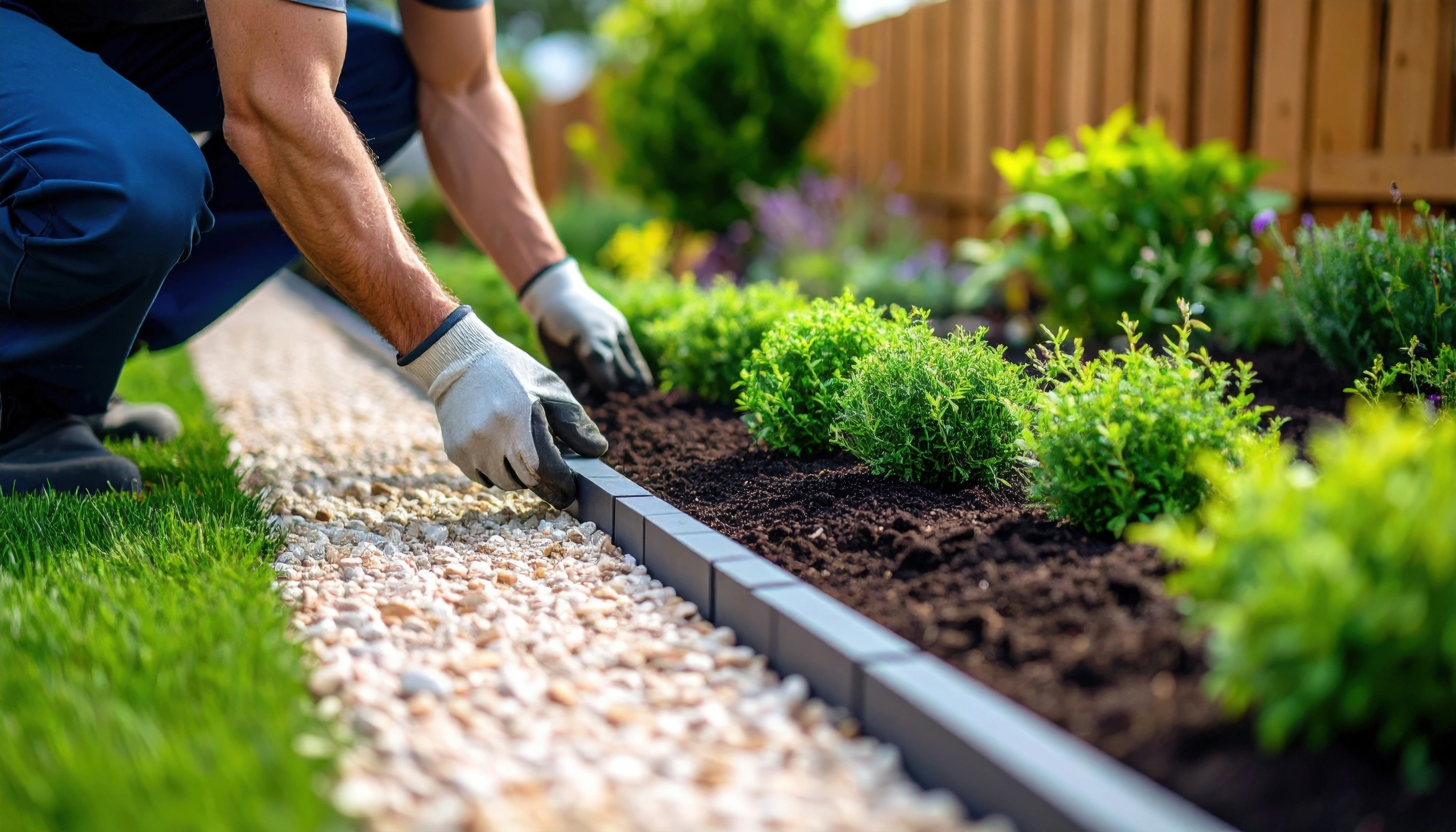
4. Old or Damaged Patios and Driveways
Cracked paving, loose slabs, poor edging, and sunken driveways not only affect appearance but can also become safety concerns. Replacing tired surfaces with new paving, patios, or driveways instantly improves kerb appeal and functionality.
Choosing the right materials can also increase durability and reduce future maintenance.
5. Your Garden No Longer Matches Your Lifestyle
Gardens should evolve with the way you live. Whether you now need more family-friendly space, a home office garden room, additional parking, or somewhere to entertain guests, landscaping can help adapt your property to suit your needs.
At Blueberry Landscapes, we work with homeowners across Essex, Hertfordshire, and Cambridgeshire to create practical, attractive outdoor spaces tailored to each property.
Thinking About Improving Your Outdoor Space?
From patios and planting to full landscaping and groundwork projects, our experienced team can help bring your ideas to life. Get in touch today to discuss your plans and arrange a free quotation.